Scaling Design Systems at AstroPay
Building infrastructure to support multi-platform product design
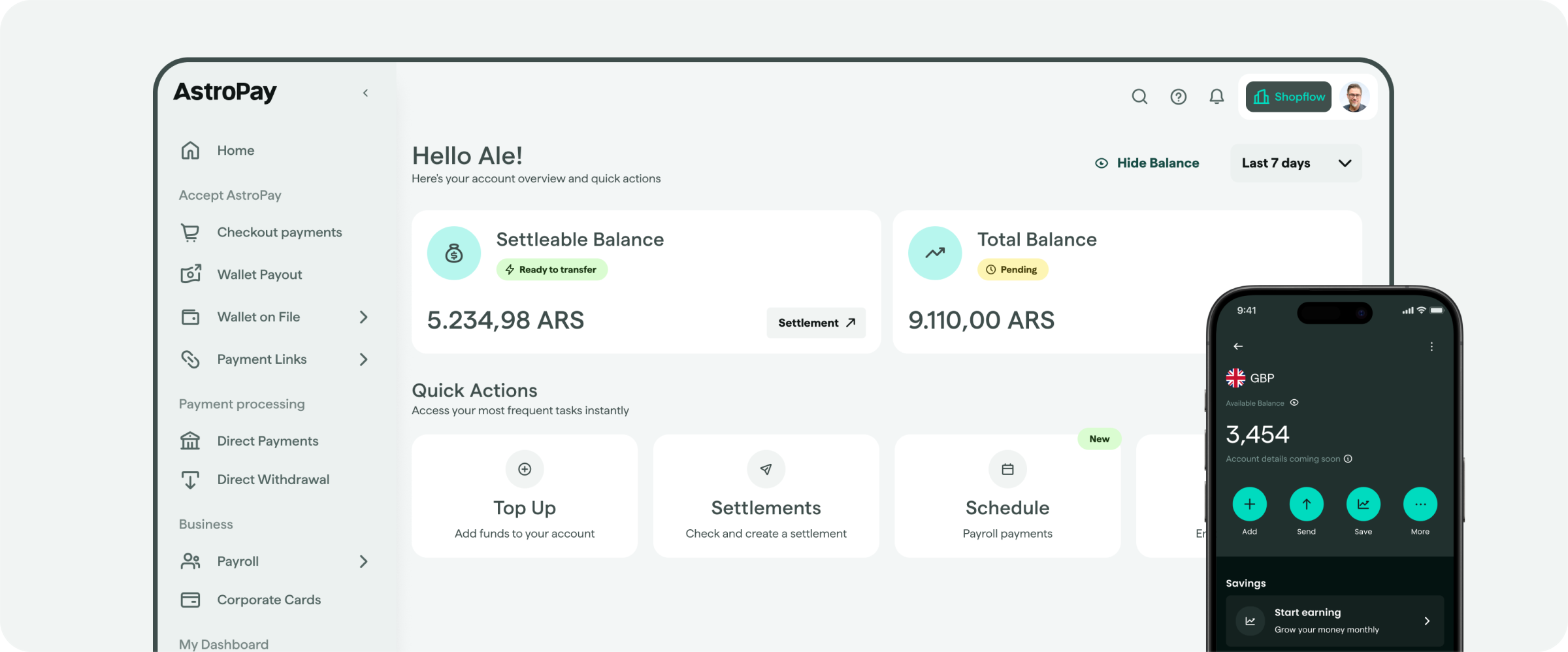
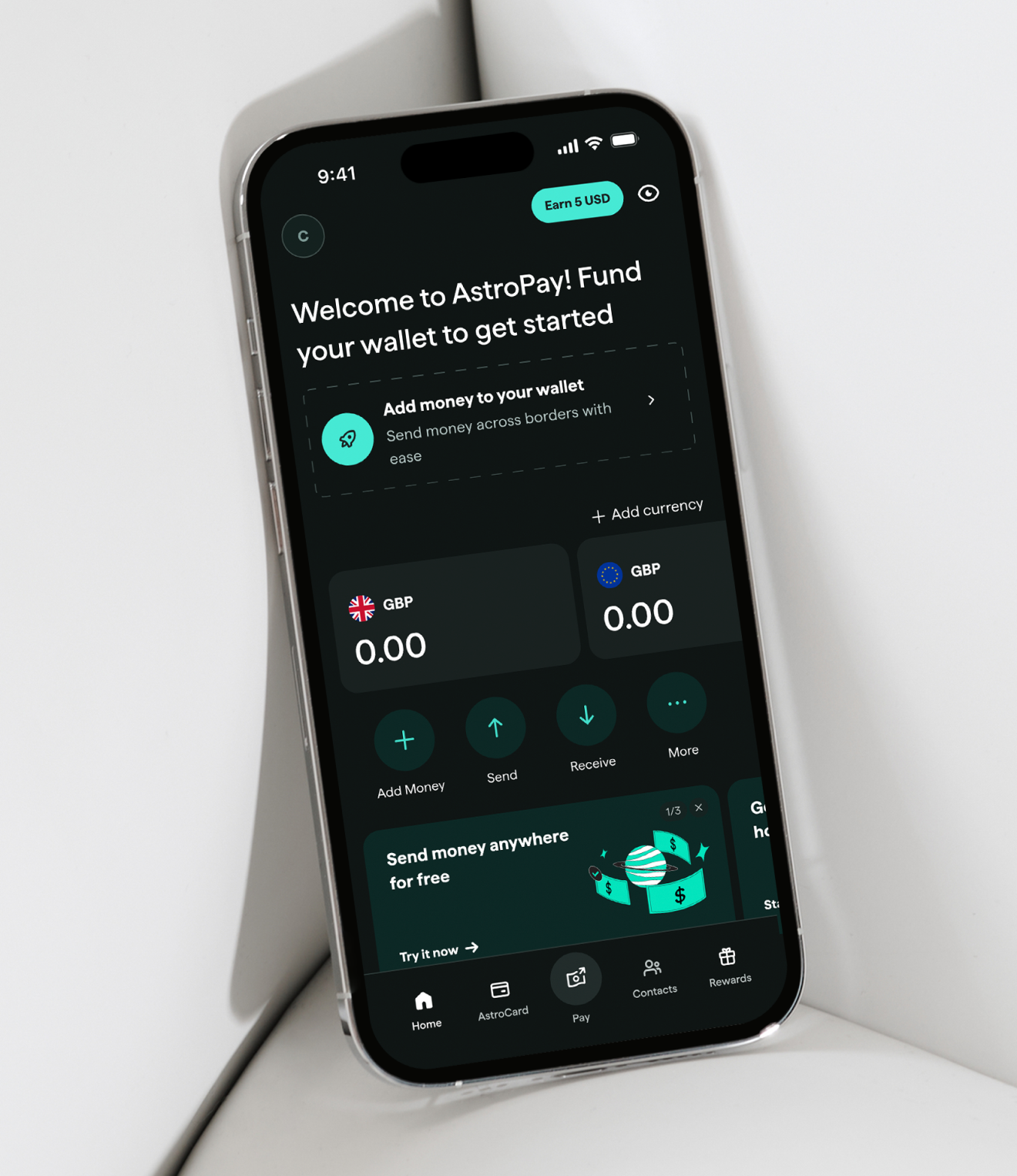
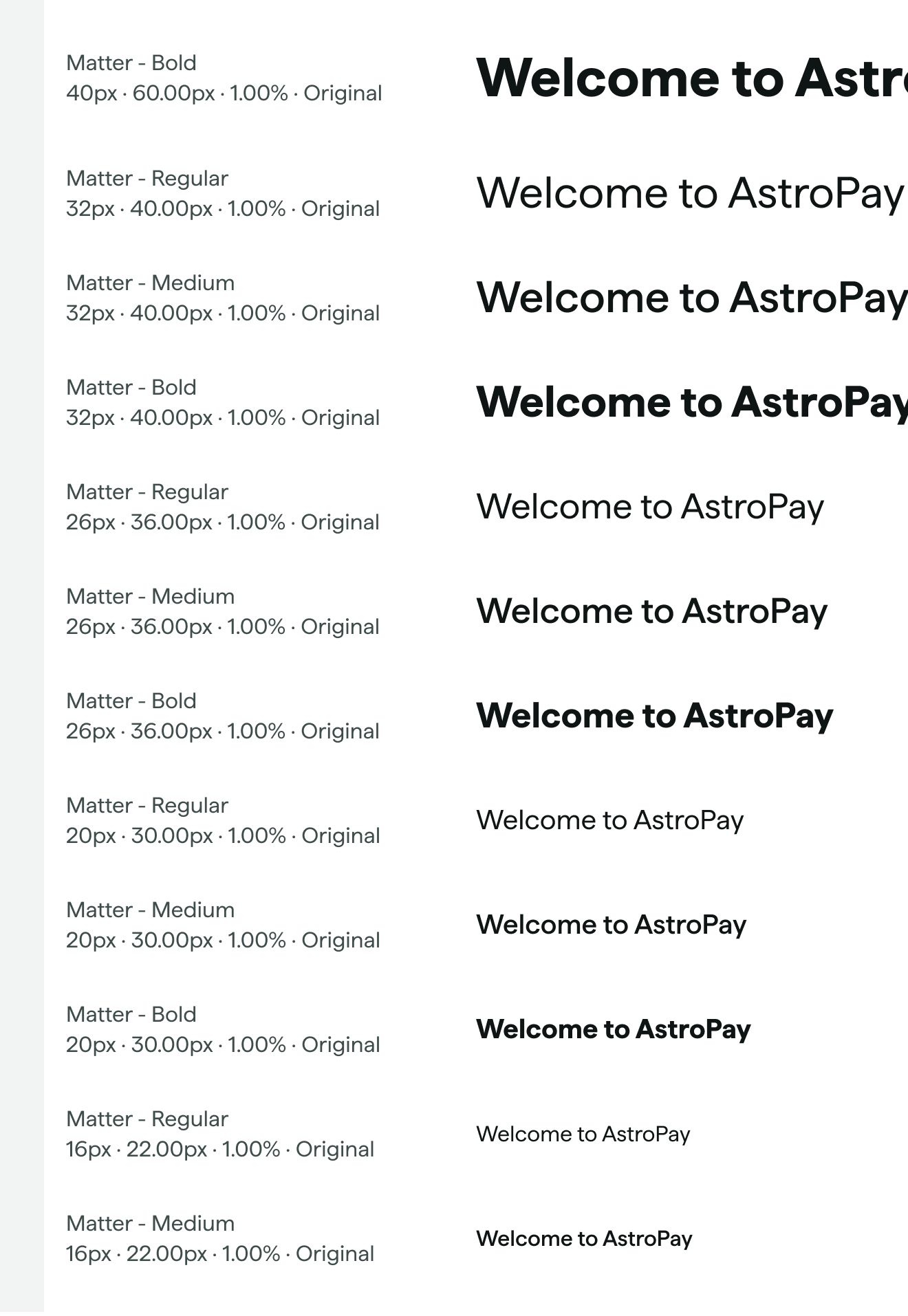
Elvira is AstroPay's design system, structured to support two distinct product lines: Elvira Wallet (B2C multi-currency mobile wallet) and Elvira Business (B2B dashboard). The system maintains shared foundations (color, spacing, typography) while allowing product-specific component variations across Web, iOS, and Android.
The Challenge
AstroPay's design system existed as a single Figma file serving only B2C, with no infrastructure, governance, or visibility into what was actually implemented. The B2B dashboard had zero design system support, and designers worked with uncertainty about component reliability.
Our Approach
Building scalable, component-based infrastructure alongside clear governance that bring structure, clarity, and confidence to our design team.

Elviras’ Comprehensive Component Library
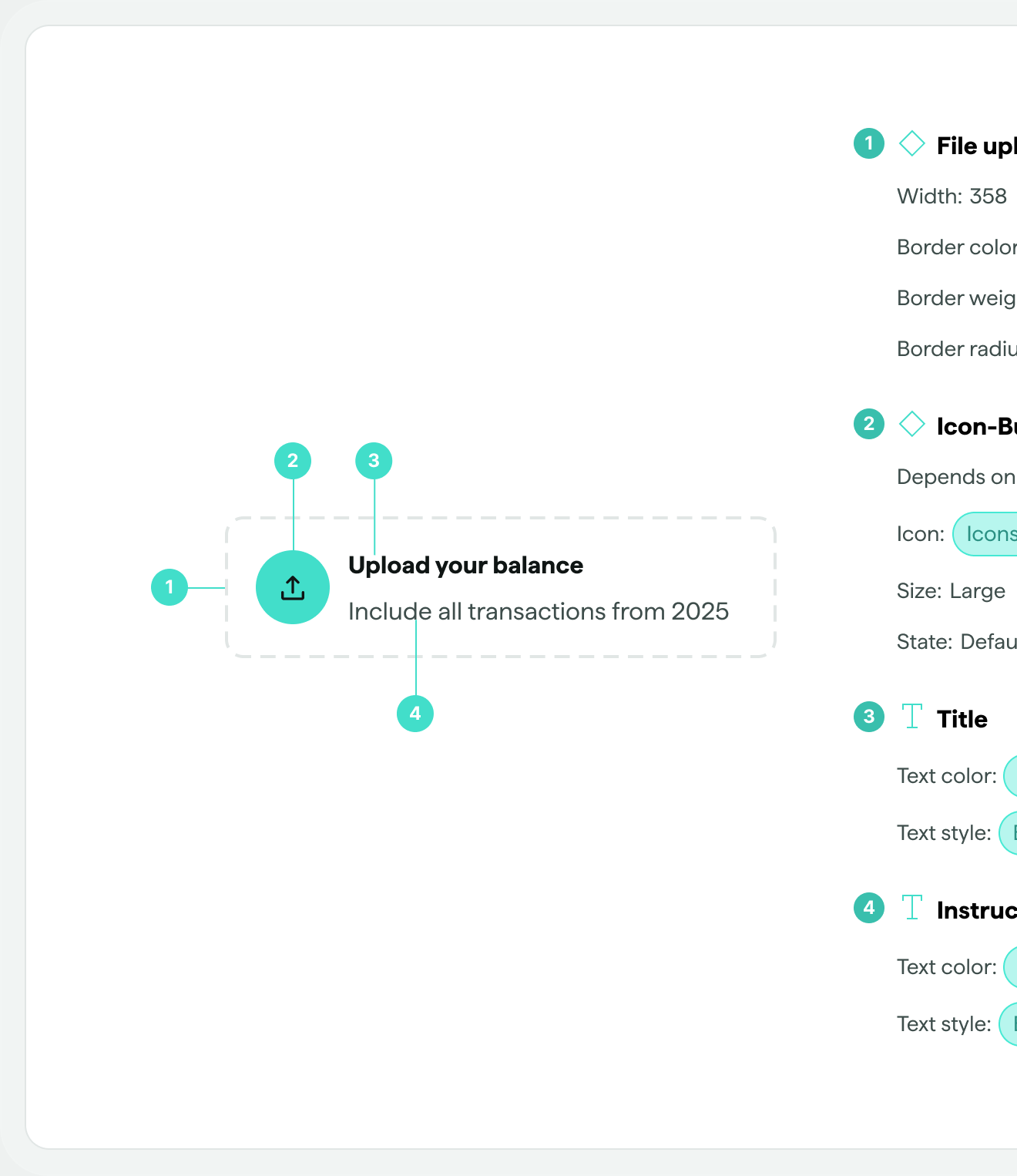
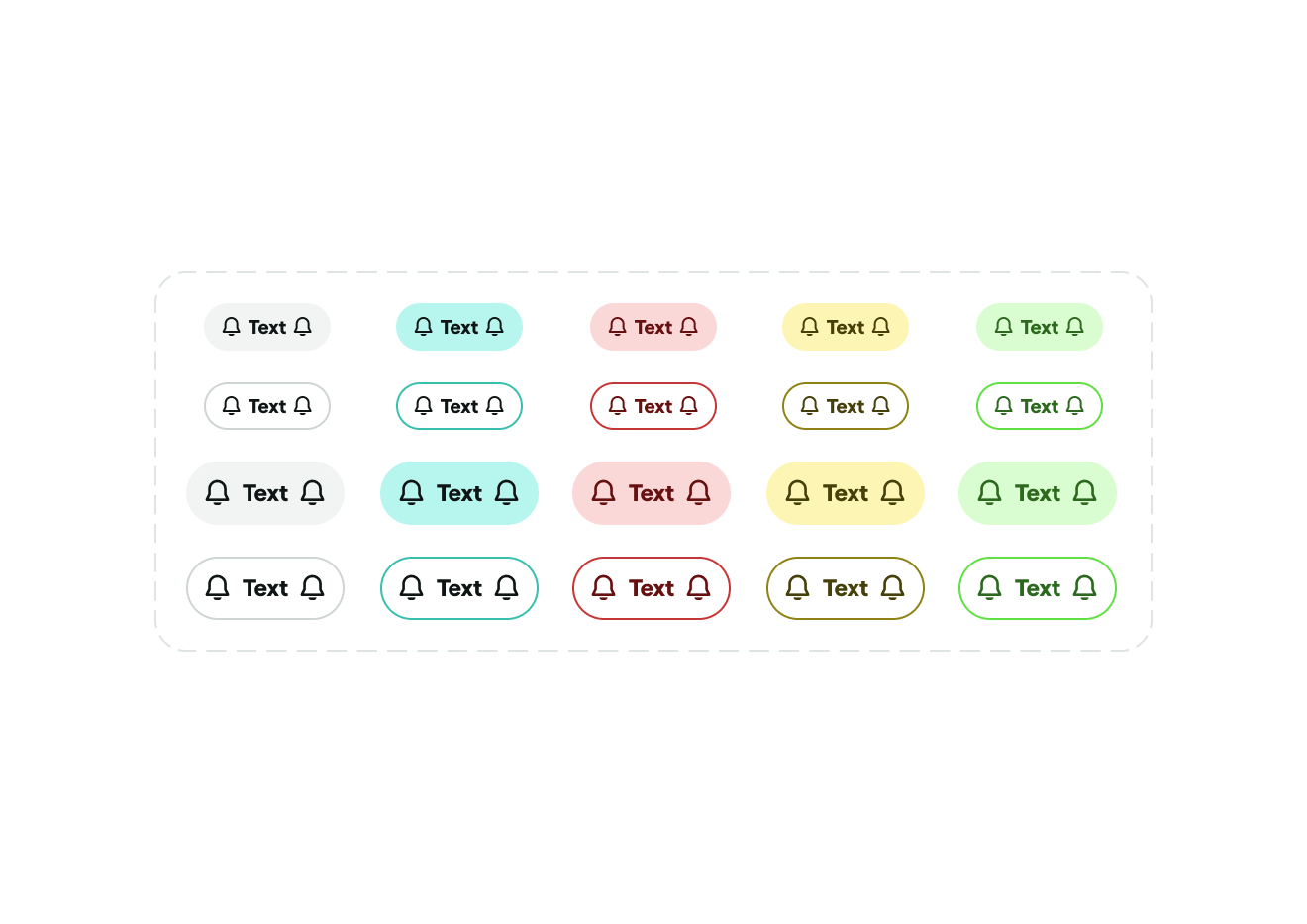
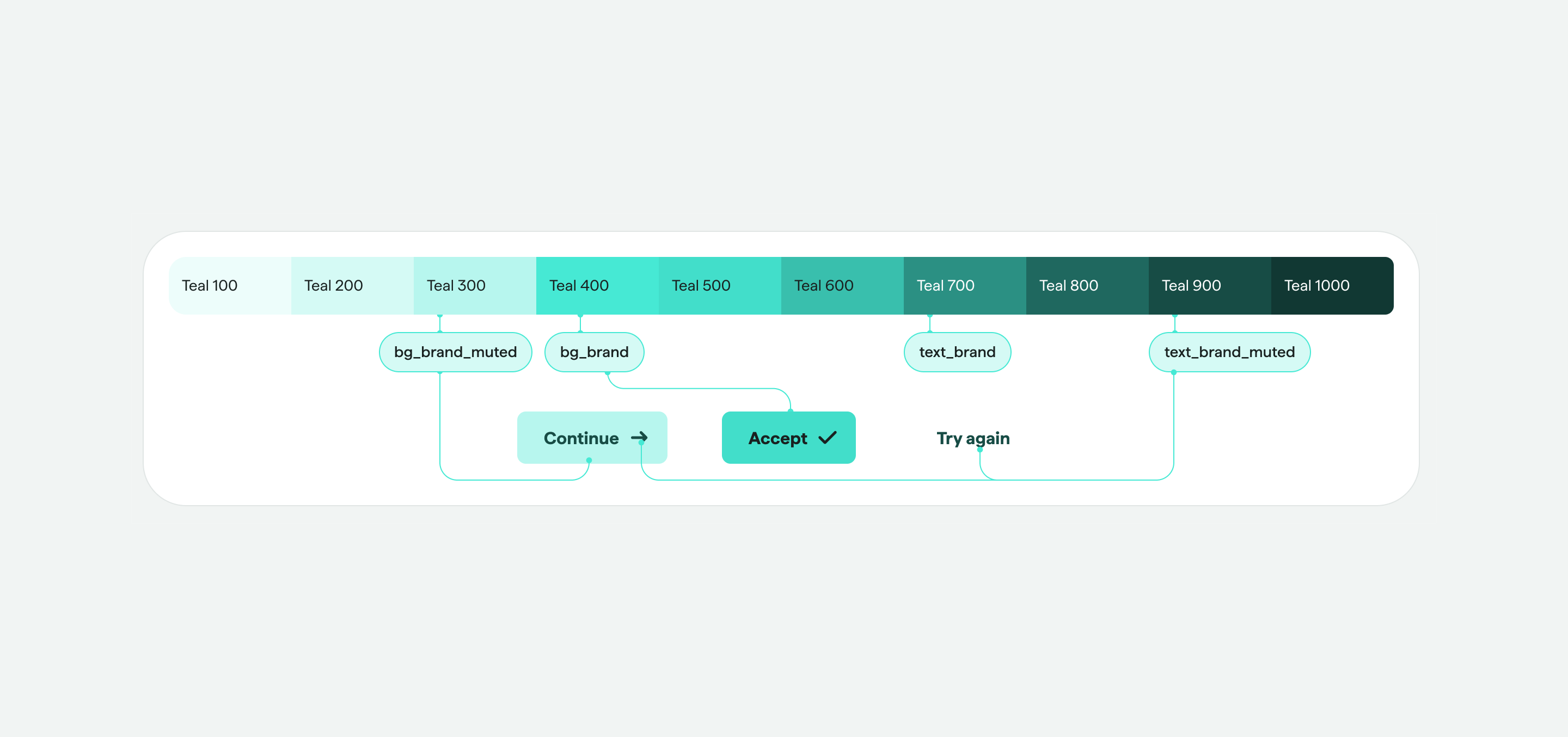
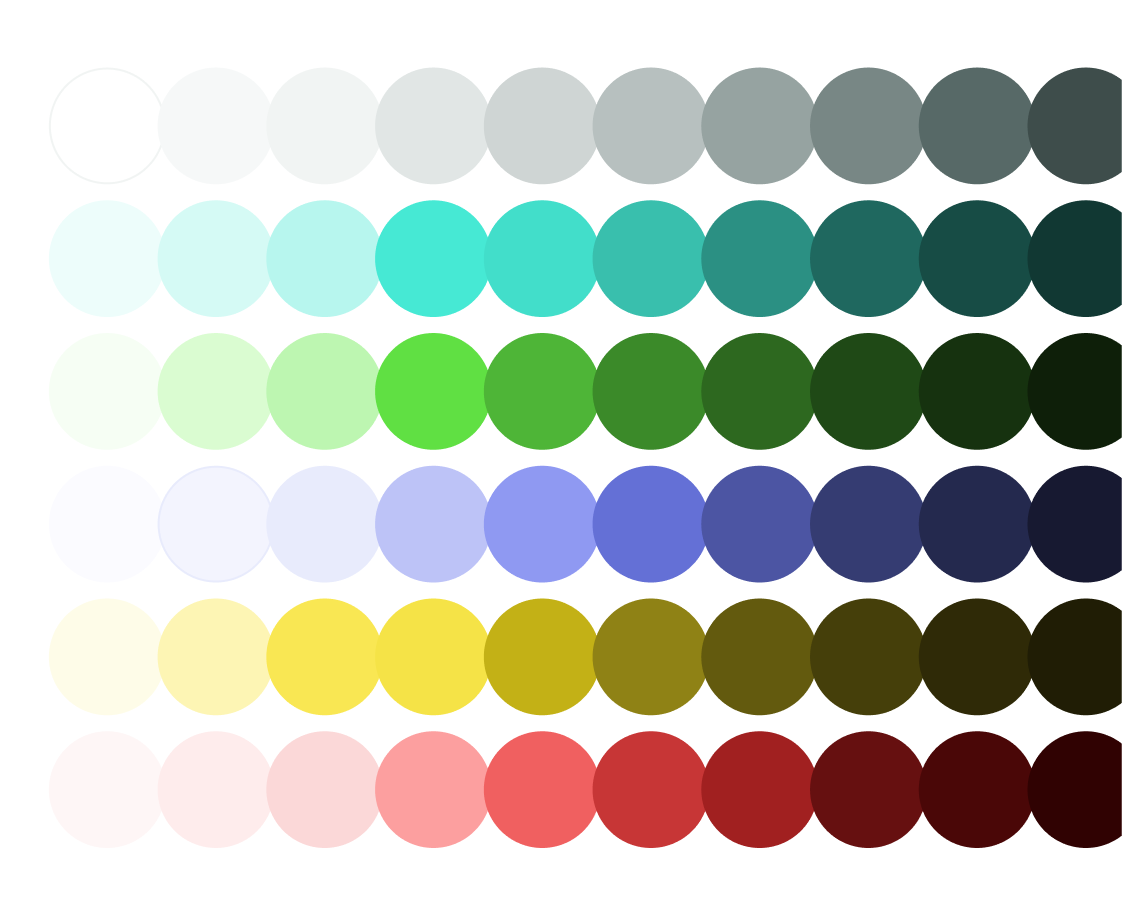
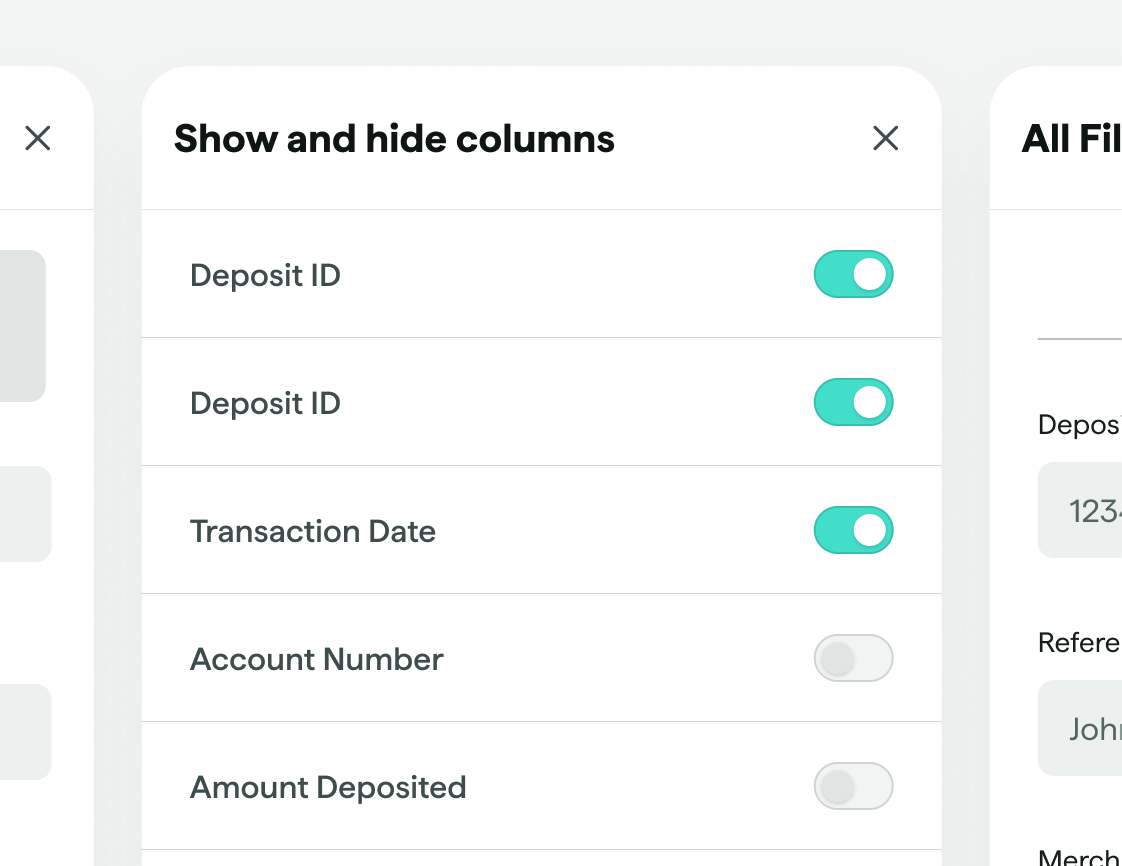
We evolved Elvira from a fragmented set of B2C components to a robust, multi-platform library with a comprehensive color token system serving both consumer and business products across Web, iOS, and Android.
An operational framework for the long-term success
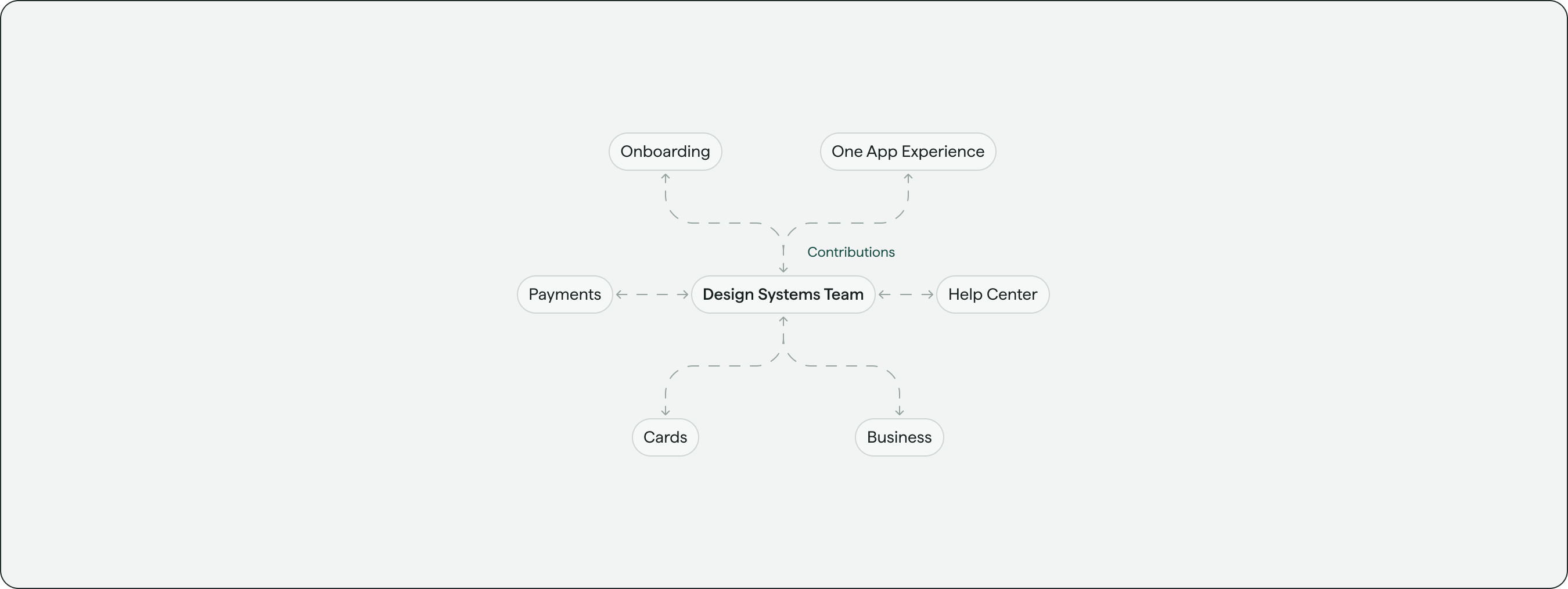
By defining clear roles across designers and engineers, establishing bi-weekly design system sessions with full team participation, and creating explicit documentation standards in Figma, we transformed ad-hoc component usage into a systematic process.
The component contribution workflow took proposals from initial concept to production, ensuring consistency at every stage. Regular check-ins with designers allowed us to anticipate component needs proactively, while analytics tracking provided ongoing visibility into how the system was being adopted across squads.
Process over tools
Beyond components, the real transformation came from clear governance and communication patterns.

The Impact
This work transformed AstroPay's design team from operating with uncertainty to moving with confidence. We achieved 100% designer participation in governance sessions, eliminated implementation uncertainty through clear file structure, and expanded system coverage from B2C-only to full support for both consumer and business products across Web, iOS, and Android.
The multi-platform audits verified token alignment and component consistency, while the governance model we established ensures ongoing quality and prevents design debt.

